Car accidents remain one of the leading causes of serious injury for children, and child passenger safety laws play a critical role in reducing that risk.
Nevada’s car seat laws establish specific guidelines based on age and height for how children must be restrained in a vehicle. Understanding these laws is not just about avoiding tickets. It is about protecting children from preventable harm. When child restraint rules are ignored or misunderstood, the consequences can be life-altering.
By learning how Nevada’s child passenger safety laws work — and how they intersect with real-world accident scenarios — parents and drivers can take proactive steps to keep children safer on the road. This guide outlines Nevada’s child car seat laws and best safety practices to help caregivers make informed decisions every time they buckle a child into a car.
Important note: Child passenger safety laws can change over time. This article is for informational purposes only and should not be considered legal advice. Parents and drivers should always verify current statutes or consult a qualified attorney regarding their specific situation.
Overview of Nevada Child Passenger Safety Laws (NRS §484B.157)
Nevada Revised Statutes (NRS) §484B.157 establishes the minimum standards for how children must be restrained while riding in motor vehicles. These rules focus primarily on a child’s age and height, rather than weight alone, and apply to most passenger vehicles operating on Nevada roads.
Under Nevada law, children must be secured in an appropriate child restraint system until they meet both age and height thresholds. Adult seat belts are designed for adults, and when used too early, they can cause serious injuries to a child’s neck, spine, or internal organs during a crash.
Nevada car seat laws represent minimum legal requirements, but organizations such as the National Highway Traffic Safety Administration (NHTSA) and the Centers for Disease Control and Prevention (CDC) consistently recommend stricter guidelines.
When a car accident involves a child, questions about proper restraint become central to both safety evaluations and injury claims. Law enforcement officers and insurance companies may examine whether a child was properly restrained in accordance with Nevada child car seat laws at the time of the crash.
In serious collisions, especially those involving distracted or impaired drivers, families benefit from working with a Las Vegas car accident lawyer. These legal professionals help parents and caregivers navigate their options and ensure their child’s rights are fully protected.
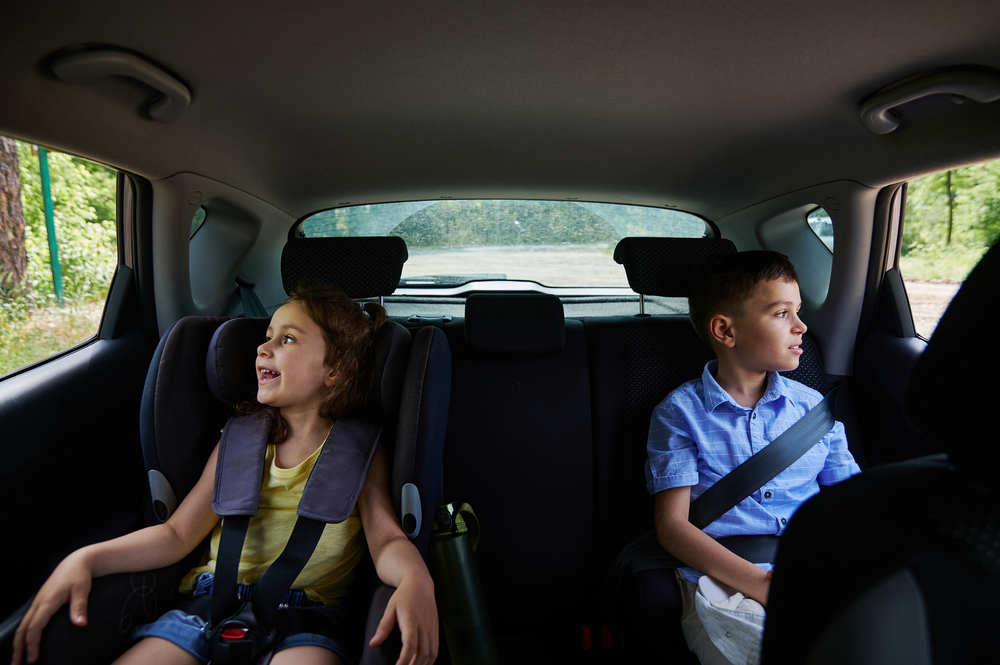
Nevada Car Seat Requirements by Age and Height at a Glance
Nevada car seat laws are structured around a child’s developmental stage, using age and height as the primary benchmarks. As children grow, their restraint needs change, and using the wrong type of seat too early can increase the risk of serious injury in a crash.
Below is a breakdown of how car seat laws in Nevada apply at different stages of childhood.
Infants and Toddlers (Under 2 Years Old)
Nevada law requires infants and toddlers under age 2 to ride in rear-facing car seats. Rear-facing seats provide crucial protection for a young child’s head, neck, and spine, which are especially vulnerable during sudden stops or collisions.
Key points parents should know:
- Rear-facing car seats must be used until the child turns two years old.
- Children should ride in the back seat whenever possible.
- Front-seat placement significantly increases the risk of injury due to airbag deployment.
There are limited exceptions to these rules, such as medical conditions that prevent a child from safely using a standard rear-facing seat. These situations typically require documentation from a physician.
Best Practice: Even when exceptions apply, safety experts recommend using the most protective option available for the child’s condition.
Young Children (Under 6 Years Old and Under 57 Inches Tall)
Once a child outgrows a rear-facing seat, Nevada law requires the continued use of a federally approved child restraint system. This usually means a forward-facing car seat with a harness that meets federal safety standards.
Key points parents should know:
- Children under six years old and under 57 inches tall must use an appropriate child restraint system.
- The car seat must be properly installed according to the manufacturer’s instructions.
- Harness straps should fit snugly and be positioned correctly to reduce injury risk.
Improper installation is one of the most common issues identified after car accidents involving children. Even a high-quality car seat may fail to protect a child if it is not secured correctly.
Best practice: Many safety organizations encourage parents to have their car seats inspected by trained technicians.
Booster Seat and Seat Belt Transition Guidelines
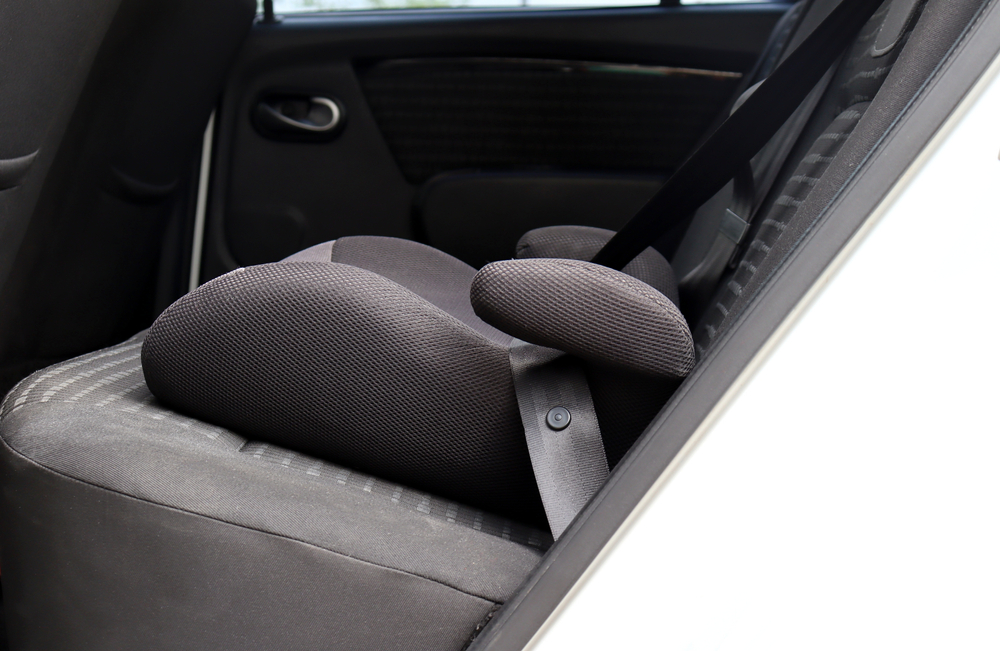
As children grow taller, they may transition from a harnessed car seat to a booster seat. Booster seats are designed to position a vehicle’s seat belt so it fits a child safely across the chest and hips.
In Nevada:
- Booster seats are legally required until a child reaches 57 inches in height.
- Once a child is tall enough, an adult seat belt may be used without a booster.
Safety experts caution that meeting legal height requirements alone does not always mean a seat belt fits correctly. A proper seat belt fit is when:
- The lap belt lies flat across the upper thighs, not the stomach.
- The shoulder belt rests across the chest and shoulder, not the neck or face.
- The child can sit upright without slouching for the entire ride.
Best Practice: Continue using a booster seat beyond the legal minimum to reduce the risk of injury in a crash, especially during sudden braking or side-impact collisions.
Where Children Should Sit in the Vehicle
Seating position also plays a major role in child passenger safety. National safety organizations strongly recommend that children ride in the back seat whenever possible.
The back seat offers greater protection because:
- It reduces exposure to front-impact forces.
- It eliminates the risk of injury from front airbags.
- It provides more space for properly installed car seats and boosters.
Front-seat placement is especially dangerous for young children, as airbags deploy with tremendous force. Even at lower speeds, an airbag can cause severe head, neck, or chest injuries to a child who is seated in the front.
In crashes involving multiple vehicles or high speeds, seating position may be closely examined as part of the injury investigation. Families dealing with serious collisions should seek guidance from a Las Vegas personal injury lawyer to better understand how safety factors can affect injury claims and legal responsibility.
Penalties for Violating Nevada Car Seat Laws
Penalties for violating car seat laws in Nevada are severe to encourage compliance and reduce the risk of preventable injuries. They may include:
- Monetary fines
- Court-assigned community service
- Increased penalties for repeat offenses
In injury-related cases, questions about the proper use of a car seat or booster seat may arise during insurance investigations. Insurance companies often look closely at compliance with Nevada child car seat laws when evaluating liability and damages. Even when another driver caused the crash, a restraint violation could complicate fault or compensation assessments.
Situations Where Nevada Car Seat Requirements May Not Apply
Nevada law recognizes that there are special circumstances in which standard child restraint requirements may need to be adjusted.
Commonly recognized exceptions include:
- Medical exemptions:
When a child has a medical condition that prevents safe use of a standard car seat or booster, a physician may recommend an alternative. Documentation is typically required, and parents should still use the safest available option. - Vehicles without rear seats:
Some vehicles are not equipped with a back seat. In these cases, a child may ride in the front seat if properly restrained and if no safer alternative exists. - Emergency situations:
In rare emergencies where compliance is not reasonably possible, strict adherence to car seat rules may be temporarily impractical.
These exceptions are narrow and are not meant to replace general safety practices. Parents should return to full compliance as soon as conditions allow.
Child Restraint Rules for Taxis, Rideshare Vehicles, and Public Transportation
Parents in Las Vegas often rely on taxis, rideshare services, or public transportation, especially for short-distance trips. Nevada law treats these vehicles differently from privately owned passenger vehicles.
Key points:
- Taxis and rideshare vehicles such as Uber and Lyft are not legally required to provide child car seats.
- Public transportation vehicles, including buses, are subject to separate safety regulations.
While the legal requirements may differ, rideshare travel does not eliminate the risks associated with sudden stops or collisions. Safety experts still strongly encourage parents to use appropriate car seats or booster seats whenever possible, regardless of the vehicle type.
When accidents involve taxis or rideshare vehicles, multiple parties may share fault—including drivers, their employers, and other motorists. In these situations, families should consult a Las Vegas multi-vehicle accident attorney to better understand and evaluate liability.
How Car Seat Laws Affect Car Accident Injury Claims
Nevada follows a comparative negligence system, meaning fault can be shared between parties based on their actions leading up to the crash. In some cases, improper restraint may be considered a factor in determining liability or compensation.
This does not mean that parents automatically lose the right to pursue a claim if a car seat was not used correctly. However, insurance companies frequently examine:
- Whether the child was restrained according to Nevada car seat laws
- The type of seat used and how it was installed
- Seating position within the vehicle
Insurers may argue that improper restraints were used to reduce payouts, claiming that injuries would have been less severe otherwise. Because of this, families dealing with child injury cases should seek legal guidance from a professional personal injury firm to protect their interests and ensure the focus remains on the at-fault driver’s actions.
Nevada Car Seat Laws vs. Safety Best Practices
Nevada car seat laws establish minimum legal requirements, but safety experts consistently recommend more extensive safety practices.
These best practice recommendations are based on decades of crash data and injury research from national safety organizations:
- Keep children in rear-facing seats longer than the legal minimum
- Use booster seats until seat belts fit properly, even after reaching the required height
- Place children in the back seat through their early teen years when possible
Following best practices rather than minimum legal standards can significantly improve a child’s level of protection. It also helps reinforce the importance of child passenger safety beyond avoiding fines or penalties.
Have Questions? Call Vegas Valley Injury Law for a Free Consultation
Child injury cases are emotionally overwhelming, and families deserve clear answers and compassionate support. If your child has been injured in a car accident or you have questions about how Nevada car seat laws may affect an injury claim, request expert legal guidance today.
At Vegas Valley Injury Law, our team understands how devastating accidents involving children can be. We take the time to explain your options, answer your questions, and help you understand the steps available to your family.
Consultations are free, and there are no fees unless we recover compensation on your behalf.
Frequently Asked Questions About Nevada Car Seat Laws
1) When can a child legally stop using a car seat in Nevada?
Under Nevada law, children must continue using an appropriate child restraint system until they are at least six years old and 57 inches tall. Even after meeting these requirements, safety experts often recommend continuing to use booster seats until a seat belt fits properly.
2) When is a booster seat required in Nevada?
A booster seat is required for children who have outgrown a forward-facing car seat but are still under 57 inches tall. Booster seats help position the seat belt correctly across a child’s body, reducing the risk of serious injury in a crash.
Many children need a booster seat longer than parents expect, even after meeting the minimum legal standards.
3) Can a child sit in the front seat in Nevada?
Nevada car seat laws allow children to sit in the front seat in limited circumstances, such as when a vehicle does not have a rear seat. However, safety experts strongly advise placing children in the back seat whenever possible due to the risks posed by airbags. Front-seat placement significantly increases the chance of head and neck injuries during a collision.
4) What happens if I don’t use a car seat?
Failing to use a required car seat or booster seat can result in fines, community service, and escalating penalties for repeat violations. In addition to traffic consequences, improper restraint may be examined in the event of a car accident, potentially affecting how insurance companies evaluate injury claims.
5) Do Uber and Lyft drivers have to provide car seats?
In most cases, Uber and Lyft drivers in Nevada are not required to provide car seats for child passengers. Parents are typically responsible for supplying and installing an appropriate car seat or booster seat. Even when not legally required, using proper restraints remains the safest option for children.